
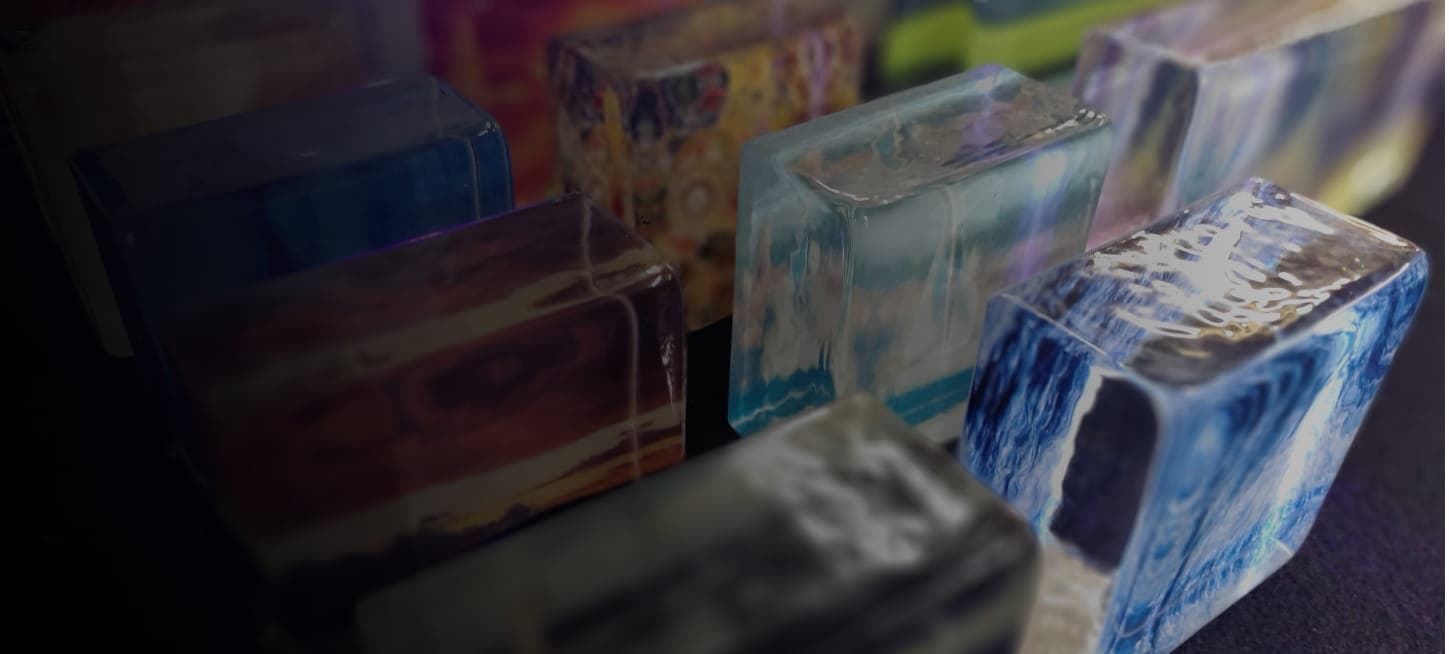
Glastrix — UV Printing B2B Guide
UV Printing B2B: The Complete Guide — Print Partners, Materials, Fulfilment
UV printing B2B: how to find a print partner, choose materials, and set up white-label fulfilment. The complete guide from Glastrix Berlin — since 2015.
Eric Frank · Founder & CEO, Glastrix Berlin-Kreuzberg
UV printing on rigid materials has become a key technology for B2B buyers, agencies and resellers — and equally an area where misinformation, wrong expectations and poor partner selection can become costly. This guide covers what businesses need to know about UV printing B2B: which materials work, how white-label fulfilment operates, how to find the right print partner, and what sets this technology apart from other processes.
What is UV direct printing?
UV direct printing (also called flatbed UV printing or UV inkjet direct printing) is a digital printing process in which UV-curing inks are applied directly to the surface of a rigid substrate. A UV lamp cures the ink instantly — no drying time, no transfer layer, no laminate. The result: a permanently bonded, scratch-resistant and water-repellent print surface that neither peels nor fades.
Unlike adhesive film, screen printing or offset, UV direct printing requires no printing plates and no minimum quantities. Every job — whether a single display piece or a short run — is prepared digitally and produced directly. This makes the technology particularly attractive for B2B applications where customisation, small quantities and fast turnaround are essential.
Which materials can be UV printed?
UV direct printing works on almost any rigid, flat material. In B2B practice, the most relevant substrates are:
- Glass – Clear, satin, laminated or toughened. Typical applications: glass splashbacks, room dividers, shopfronts, kitchen backsplashes, backlit glass panels. UV printing on glass creates depth and sharpness that adhesive film cannot achieve.
- Wood and MDF – Plywood, solid wood, coated MDF. Applications: art prints, interior fit-outs, NFC cards in wood, furniture fronts, restaurant interiors. The wood grain remains visible and interacts with the printed motif.
- Metal – Aluminium dibond, stainless steel, copper, brass. Applications: exterior signage, POS displays, architectural signs, art objects, NFC cards in metal. Metal carries premium positioning and is weather-resistant.
- Acrylic (PMMA) – Clear or tinted, for backlit elements, signage and translucent design accents.
- Ceramic and tiles – For hospitality, hotels and bathroom areas. UV printing on ceramic is moisture-resistant and long-term stable.
- Copper and mirror – For decorative applications, hotel lobby features and luxury retail concepts.
- NFC cards – PVC, wood, metal, acrylic. UV printing enables high-resolution design on all card substrates; NFC chips are embedded or bonded directly.
B2B applications at a glance
UV printing in B2B contexts falls into four main application areas:
- White-label fulfilment: Agencies, resellers and platforms produce under their own brand. Glastrix ships directly to end customers, neutrally packaged, with no manufacturer identification. Clients such as Tapni (NFC cards), Zozoville (wood art prints) and Holy Frames (backlit glass) operate on this model.
- Interior architecture and hospitality: Custom glass walls, printed mirrors, wood panels and ceramic tiles for live building projects. Individual pieces and short runs without a minimum order.
- Retail and POS: Displays, shop signs, window elements and shelf labelling. Short turnarounds (48h) allow seasonal updates.
- Art and galleries: Limited editions on glass, acrylic and aluminium. Photorealistic printing in gallery quality, from a single piece.
White-label fulfilment: what it means and how it works
White-label fulfilment in UV printing means: the producer manufactures, packages and ships — completely invisibly. Delivery notes, shipping labels and packaging carry only the reseller's brand or are kept neutral. The end customer does not see the producer.
Several conditions are essential for this model: no minimum order (since individual orders are forwarded), reliable delivery times (since the reseller gives commitments to their customers), and direct communication (since individual project requirements cannot run through automated systems).
Within the EU, white-label UV printing has a structural advantage over Asian alternatives: no customs duties, no long shipping times, no quality uncertainty caused by language barriers and time-zone differences. An EU-based producer like Glastrix (Berlin) delivers within two to four working days to all EU countries.
How to find the right UV print partner for B2B
Not every print shop that offers UV printing is suitable for B2B partnerships. The decisive criteria:
- In-house production (nothing outsourced to third parties)
- No minimum order or very low minimums
- Full white-label fulfilment including direct-to-customer shipping
- Broad material range (not just one substrate)
- Proactive print-file checking before production
- Dedicated contact person, not a ticket system for project questions
- EU-wide tracked shipping
- Free test print offer before committing to a partnership
A test print on the intended substrate should always be the first step — it reveals colour reproduction, adhesion, edge sharpness and finish quality under real conditions.
Pricing factors in B2B UV printing
Unit price in UV printing depends on four main factors: material (glass and metal cost more than wood or PVC), format (larger area = higher price), quantity (no minimum order, but scale benefits on runs), and finishing (e.g. white ink base for clear glass). Unlike screen printing or offset, there are no setup costs — the first print costs the same as the tenth; only the unit price varies with volume.
Glastrix: UV printing B2B from Berlin since 2015
Glastrix has operated a UV print lab in Berlin-Kreuzberg since 2015. The full material range covers glass, wood, metal, acrylic, ceramic, copper, mirror and backlit panels — all formats custom, no minimum order. B2B clients receive white-label fulfilment EU-wide, a dedicated production contact, and a free test print before the first production run. Enquiries go through the contact form — response within one working day.
From our B2B production
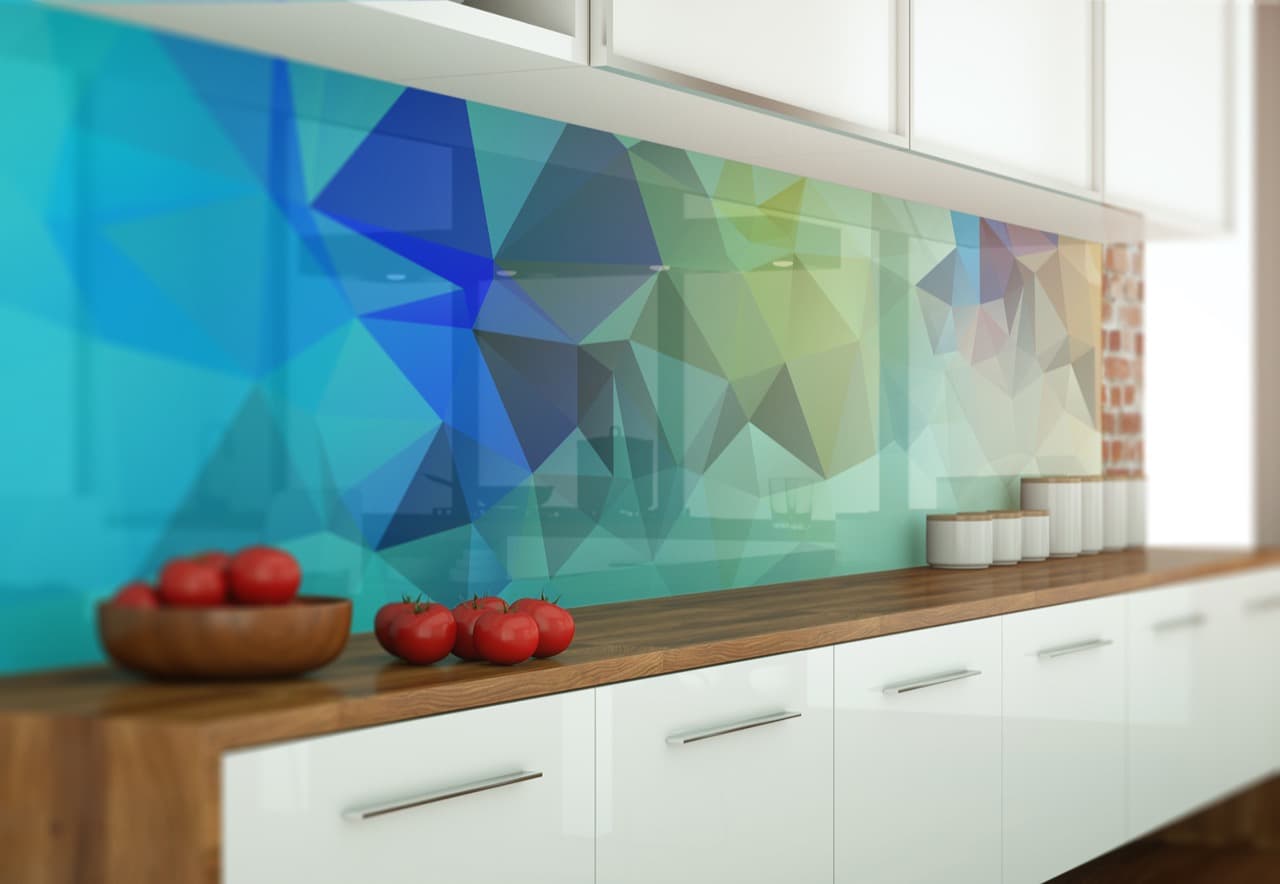
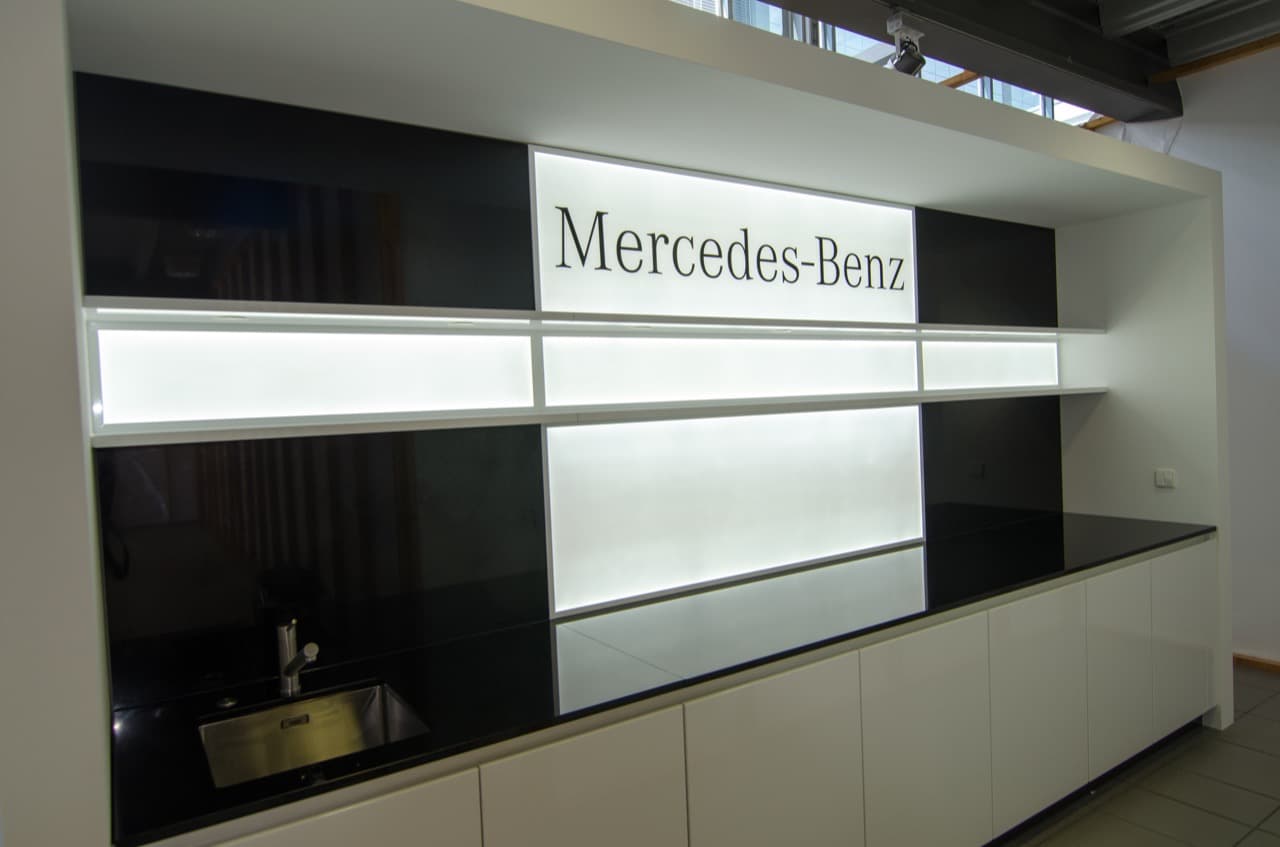
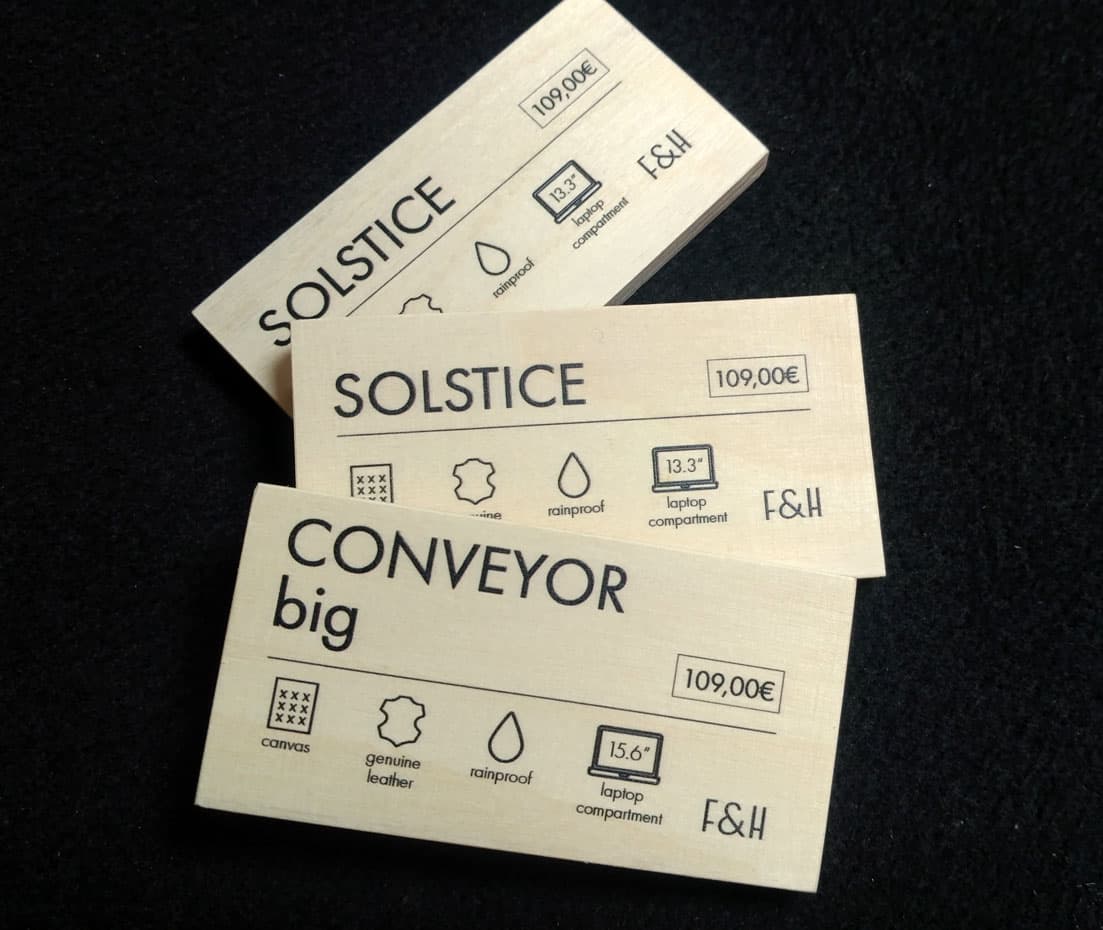
B2B production from Berlin-Kreuzberg — on glass, wood and metal, no minimum order, white-label fulfilment EU-wide.
Request a free test printFrequently asked questions about B2B UV printing
What is UV direct printing and how does it differ from other printing methods?
UV direct printing (flatbed UV printing) applies UV-curing inks directly to rigid materials — no film, no transfer layer, no printing plates. The ink is cured instantly by UV light and bonds permanently to the substrate. Unlike screen printing or offset, there are no setup costs and no minimum quantities: every job, whether a single piece or a run, is prepared digitally and produced directly.
Which materials can be printed using UV printing?
UV direct printing works on almost any rigid, flat material: glass (toughened, laminated, float, ultra-clear), wood and MDF, metal (aluminium, steel, copper, brass), acrylic, ceramic tiles, and NFC card substrates (PVC, wood, metal). Glastrix produces across the full material range in-house — nothing is outsourced.
What does white-label fulfilment in UV printing mean?
White-label fulfilment means Glastrix produces, packs and ships under your brand — completely invisibly. Delivery notes, shipping labels and packaging carry no reference to Glastrix. Your end customer sees only your brand. This model suits agencies, resellers, and e-commerce platforms selling custom print products under their own name.
What should I look for when choosing a B2B UV print partner?
Key criteria: in-house production (nothing outsourced), no minimum order or very low minimums, white-label fulfilment including direct-to-customer shipping, a broad material range, proactive print-file checking before production, a dedicated contact person (not a ticket system), EU-wide tracked shipping, and a free test print offer. A test print before your first production run is essential — it shows colour reproduction, adhesion, edge sharpness and finish quality under real conditions.
How is pricing calculated for B2B UV printing?
Unit price depends on four factors: material (glass and metal cost more than wood or PVC), format (larger area = higher price), quantity (no minimum order, but scale benefits on runs), and finishing (e.g. white ink base for clear glass). There are no setup costs — the first print costs the same as the tenth. Enquiries via the contact form receive a quote within one working day.
Weiterführende Artikel
Enquire about Glastrix as your B2B print partner
No minimum order. White-label EU-wide. In-house production on glass, wood, metal, acrylic and ceramic in Berlin-Kreuzberg since 2015.
No minimum order · White-label · 48h · Berlin-Kreuzberg · EU-wide